All Stories
Translation not transformation
After a week with galleries in Berlin, our VP of Customers Bethany Woolfall shares her thoughts on how galleries are learning to change.
Article
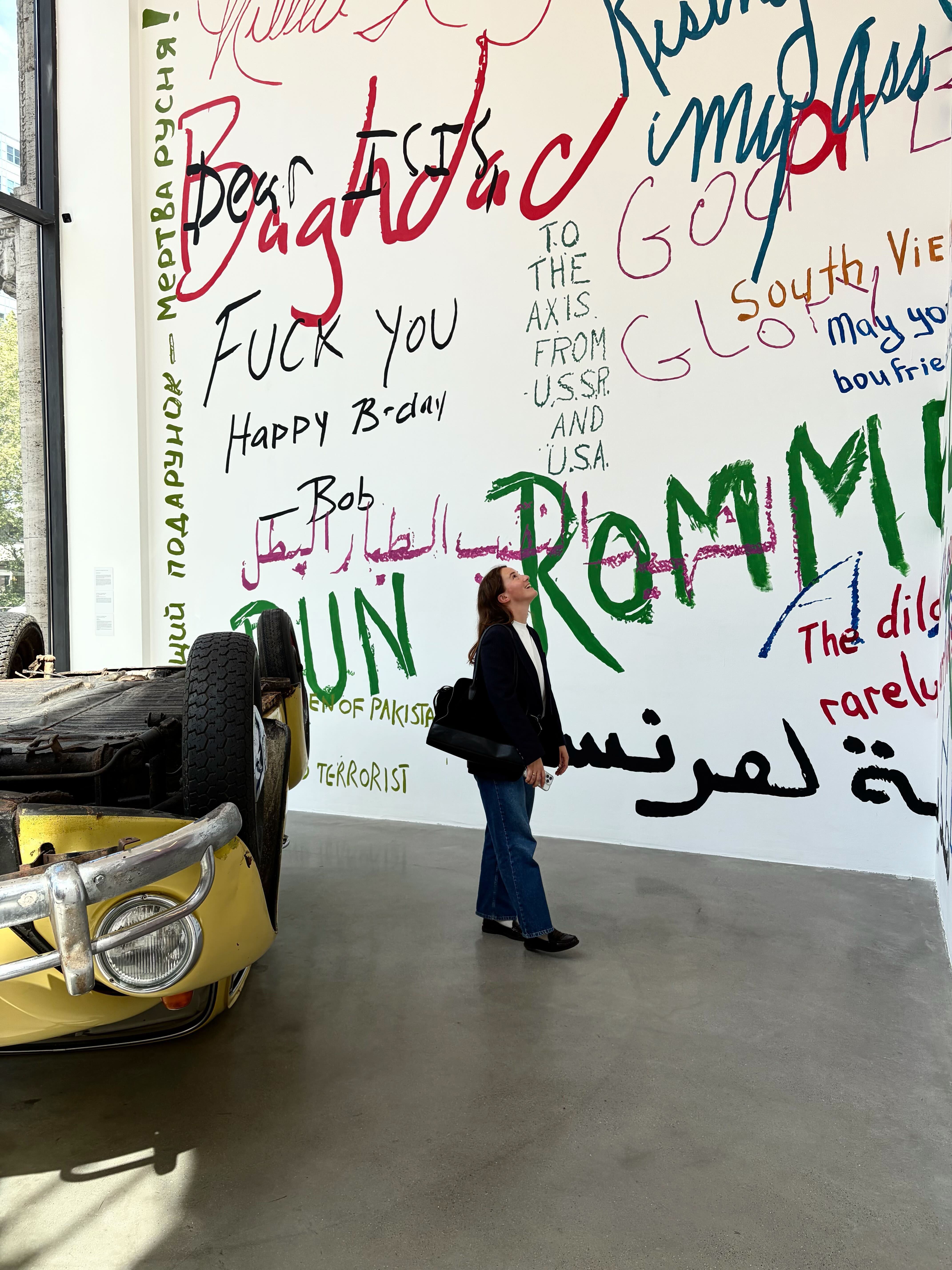
After a week with galleries in Berlin, our VP of Customers Bethany Woolfall shares her thoughts on how galleries are learning to change.
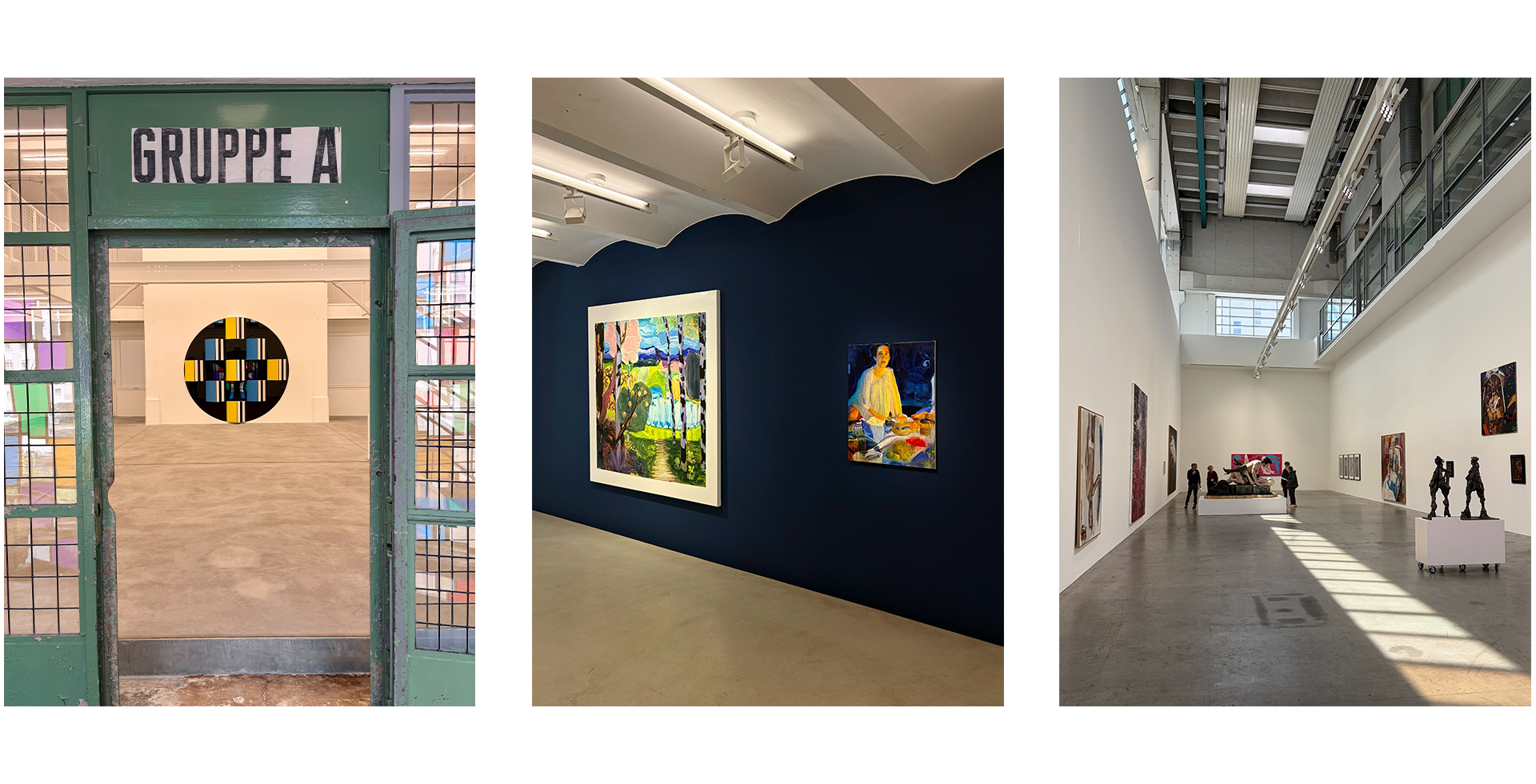
After a few days in Berlin, the discussion that came up most often wasn't about a new artist or a sale. It was about the overwhelming system paralysis plaguing much of the operational side of the gallery world right now.
Across conversations with long standing clients and former colleagues, the same thread kept surfacing: the slow, careful shift some of the larger galleries are beginning to make away from legacy tools and manual processes. A shift I recognise well from my time at Artlogic.
The art market has always been built on relationships, and what we sell is bound up in emotion, history, and trust. Systemising any of that has never really felt natural to the people running these businesses (everyone does agree it is needed, at least)
There is a real reluctance, and I understand it. The fear is always that introducing too much structure will somehow flatten the things that make this industry what it is.
What is changing is that the inertia is becoming harder to justify.
The recent First Thursday report on AI in galleries found that 84% of galleries are already using AI tools day to day, but only 8% have any formal policy around them. Most staff are accessing these tools through personal accounts, often without the knowledge of leadership.
The technology is arriving regardless of whether anyone has decided how to govern it.
There is another moment in this process worth naming: the point where a gallery knows that something needs to change, but has not yet found a way of describing what that change should look like.
They know the current setup is no longer serving them, and yet the familiar ways of working are so deeply held. It is a delicate position to support, and one I do not think this side of the industry talks about enough.
What I have come to believe is that adopting something new does not always mean working in an entirely new way. Often the right tool simply gives shape to what a gallery is already doing, quietly, in spreadsheets, inboxes, and the heads of long-standing team members. The job is rarely to rebuild the practice. It is to give it somewhere more secure to live.
Berlin is an interesting place to observe this as the market here has historically been less inclined to lean on technology. The directors and partners I spoke with are not necessarily looking for "another new gallery-tech tool". They are looking for a different way of framing what they already do, so the next step feels like a continuation of their practice, rather than a departure from it.
That is where the support has to sit. Not in convincing a gallery to change, but in helping them see that the change is smaller, and more familiar, than it first appears.
The institutional inertia of the larger galleries is no longer a position of safety. But the work of moving forward is less about persuasion than it is about translation.
Bethany Woolfall, VP of Customers
Arcarta is a Due Diligence platform for the art market and is used by over 400 Art businesses internationally.
To learn more or get in touch please use the Contact page.


.svg)