All Stories
Diligence on the move
Ahead of Art Basel Miami, Riah Pryor looks at due diligence is changing on the trade floor.
Article
Ahead of Art Basel Miami, Riah Pryor looks at due diligence is changing on the trade floor.
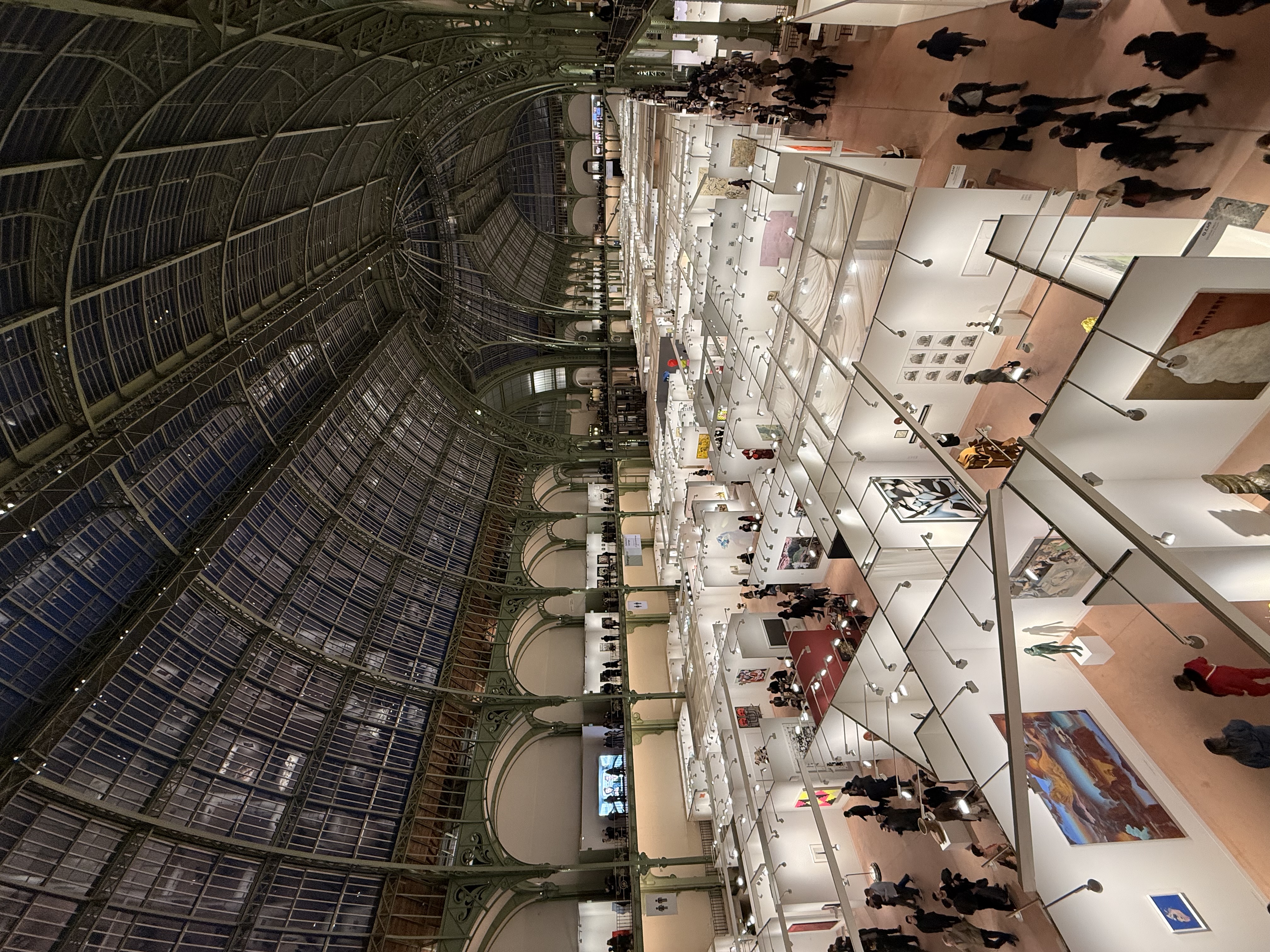
As the global art-fair circuit reasserts itself after the unprecedented disruption of a global pandemic, one topic is increasingly moving from the office onto the trade floor: due diligence.
The inherently international character of art fairs makes the events (and their surrounding programmes) natural arenas for testing how different regulatory systems, tariffs, and international legal agreements converge. Beyond fostering global dialogue, fairs operate as commercial marketplaces which often sit outside a gallery or dealer’s home jurisdiction—raising practical questions, such as which rules apply, and whether temporary exemptions or cross-border exceptions can be invoked.
One of the most prominent conversations this year has been around the European Union’s new Cultural Goods Import Regulation [EU 2019/880], which came into force this summer and requires importers to seek licensing or a statement of goods that cultural property being moved (over 200 years old) were legally exported from the country where they were created or discovered. Earlier this year, the UK also extended its financial-sanctions regime to cover art-market participants, a move which included galleries from outside of the country who are exhibiting at British fairs.
Understanding how any new requirements and updates co-exist alongside longer-standing obligations and international conventions, notably UNESCO’s 1970 Convention and the 1995 UNIDROIT Convention on Stolen or Illegally Exported Cultural Objects, demands careful navigation. Today’s compliance landscape combines provenance, export licensing, anti-money-laundering (AML) and sanctions obligations, all of which must be managed in real time, on an often-hectic fair floor.
For fair participants, the main takeaway is that legal and compliance duties move with the artwork. A gallery showing pieces in Basel or Paris must follow not only local customs and export laws but also its own country’s anti–money laundering (AML) and tax rules. A collector buying abroad must make sure the artwork can be legally imported, insured, and later sold. In practice, this means following several sets of rules at once, whilst keeping an eye on international agreements which could affect ownership in future disputes.
Unsurprisingly then, fair organisers are upping vetting processes, provenance documentation checks and referencing international conventions in their paperwork- not just as an assurance of ‘quality’ of the works being sold, but increasingly as reassurance that compliance is being prioritised.
The potential risk to reputation if standards do fall short, for the individual dealers or fair organisers, is no longer hypothetical. A $202,000 stolen Egyptian sculpture brought to TEFAF Maastricht art fair in 2022, was removed prior to the fair opening but nevertheless still prompted a wave of uncomfortable media attention to the esteemed event.
The very real of challenge of buyers not necessarily having the same identification information to hand as they would at ‘home’, (for example ‘proof of address’) can also complicate the best of intentions. Nevertheless, real-time solutions are rapidly coming forward to assist. Greater provenance information online, intelligent compliance and ‘Know-your-customer’ platforms (such as Arcarta), are all boosting dealers’ ability to make informed real-time checks on collectors, without compromising the pace of the transaction or damaging the excitement of a sale.
The result is a subtle but significant shift: due diligence is no longer a pre- or post-sale administrative task, but a continuous, data-driven process which needs to be embedded into every transaction.
Arcarta is a Due Diligence platform for the art market and is used by over 400 Art businesses internationally.
To learn more or get in touch please use the Contact page.


.svg)